
The Problem
What’s the biggest problem in regenerative agriculture that no one wants to talk about?
We’re too obsessed with farmers and farmland transition, and we’re failing our emerging brands because of it.
I know the regenerative agriculture mob is already at my door with pitchforks – but hear me out.

Yes, we must start with the land. If we don’t positively shift agricultural land, we won’t change anything. Empowering and supporting farmers and ranchers to adopt regenerative practices is priority number 1 (and probably priorities 2 and 3 as well). But we can’t talk about regenerative food systems if we fail to include an equally important cog in the wheel: Regen brands.
It’s the brands that provide a market for regenerative ingredients, who figure out how to sell them to consumers and do it all in a way that actually turns a profit. It’s the brands that build the collective social and emotional connection between what (and how) we grow and what (and how) we eat.
“Brands are the face of the food system. And brands can lead the generation of demand, which will in turn affect the rest of the food system. If brands have the financial capital support, they will promote the creation of supply systems, and all the other parts upstream will see effects towards regeneration!” – Juan Guzman, Artisan Tropic
But these brands can’t do all that successfully unless we start funding them like we do farmland. Just like farms, brands need capital to transition and grow regenerative supply chains. They need financial backing to create, market, and deliver their products into the hands and mouths of consumers.
Let me explain why.
Regen Brands Are Orchestrators
Brands are the “orchestrators” organizing all of the post-harvest supply chain (processors, ingredient suppliers, manufacturers, distributors, and retailers). The brands may not play the instruments, but they do direct the orchestra. Brands are the ones making sure the music is performance worthy.
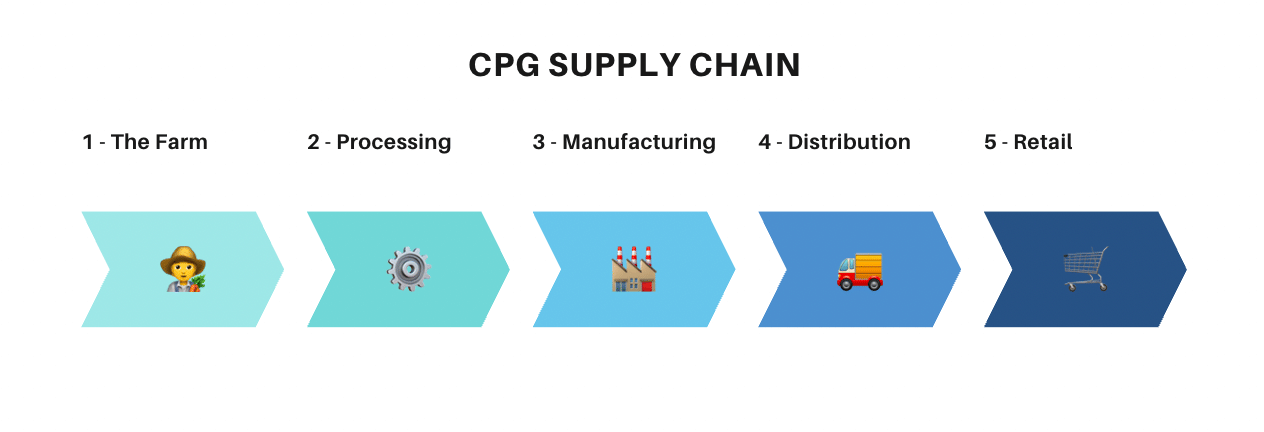
Brands with enough scale “demanding” things from the upstream supply chain is how supply chains change. In some cases, the brands aren’t the most influential lever but in almost all, they are the most catalytic.
Farmers agree that brands build markets. Switching to regenerative practices on the farm isn’t easy or cheap. And while agricultural carbon programs promote rising demand and carbon credit pricing, the reality is a farmer only has so much control over how much carbon their soil will sequester. They need to sell their crops and welcome any opportunity (aka brand) that will pay them more than commodity pricing.
“Farmers want to see demand in order for them to transition, and brands are the first to create demand. This is the piece I feel investors fall short of understanding. There is the perception that the financial support needs to begin on the farm level and it certainly does! But it also starts with consumer demand. Why would a farmer change what they are doing if there were no buyers for their regenerative crops?” – Meghan Rowe, White Leaf Provisions
But it takes money and funding to catalyze this demand through brands.
Why?
Just like our farmers, brands are doing A LOT.
Regen Brands are Influencers
Agriculture accounts for 10.5% of U.S. employment, yet of the 900 million arable acres in this country, only about 1.5% is being farmed using regenerative practices. When we look at consumer grocery buying habits, more consumers are prioritizing healthy grocery items, with natural and organic being their first choice. And even if only 19% of consumers surveyed say they’ve heard of regenerative agriculture, 42% believe they can make a difference with the food and beverages they choose.
What’s the takeaway? Most consumers engage with regenerative ag not on the farm, but through the brands they buy. When consumers choose regen brands, they establish demand in the market – demand that then moves downstream from farmgate to processor, supplier to distributor to retailer (all through brands!).

“Just like how regenerative agriculture requires a holistic view on farming and the ecosystem you are working with, we need to take a holistic view of how we can grow the business side of the regenerative movement. [We] need to invest in the pathways to take the regenerative products grown at the farm and create a market for those products. That happens through brands educating consumers and driving demand for regenerative products and the processing facilities that allow brands to utilize regenerative ingredients.” – Alec Jaffe, Alec’s Ice Cream
Emerging Brands > Established Brands
It’s fantastic and inspiring to see these multinational companies getting on board with regenerative ag. A recent IDC industry survey found that +30% of food and beverage decision-makers are shifting to greater sustainability in response to consumer demand for eco-friendly products and offerings. I just attended a Regenerative Agriculture Summit that included participation from Cargill, Nestle, McCain, General Mills, Kellogg, Kraft Heinz, Campbell’s, and others.
For example, I applaud Pepsi for investing $216 million to help convert 3 million acres to regenerative practices. They’re not just appeasing investors, employees, and consumers with their ESG goals by reducing carbon emissions and their chemical footprint, they’re also ensuring the long-term viability and integrity of their core ingredients to keep making the Doritos and Fritos their customers love.
But is the whole solution to our problems just more sustainable Doritos…?

No question, these established CPG companies have a massive resource advantage and are doing important work. But they’re still mostly producing and selling the same high-calorie, low-nutrient products. They’re still relying on a supply chain built on monocrop systems, disassociating consumers from the people and places where their food is grown.
To achieve truly transformational change, we need these emerging brands – the next wave of innovators who are pushing for the holistic potential of regenerative agriculture – whole system solutions that can address the climate crisis, restore biodiversity, and foster human health with more nutrient-dense food – not just sequester a little more carbon!
These emerging brands are the ones that need funding!!
“We don’t need another CPG brand as anyone attending Expo West can attest! We need new examples and models of the kind of food systems that creates healthy outcomes for the people, planet, and profit. We need to understand food (and food systems) not as consumption, but as communion. Why is it important for CPG-focused investors to invest in regenerative brands? It’s really simple, there is currently a massive loss of biodiversity, a massive loss of health due to the lack of nutritional density in the food we currently eat, an ever-eroding soil base due to monocrop agriculture, and principally we live on a finite planet. We can’t grow at perpetuity without adding value back or regenerating our sources of life. If we don’t regenerate will we have the capacity to even sustain? Our long-term economic models need to adjust and better align with the natural cycles of the earth, especially when we’re talking about food.” - Hoda Mohajerani, Chakra Chai
Closing Thoughts
I’ve been at so many conferences, on so many webinars, and listened to so many podcasts where we ask farmers, “What do we need to do for you and more farmers to transition!?”
The answer is actually very clear, and we just suck at listening.
What do I hear them all say EVERY SINGLE TIME?
They say “markets,” “market demand,” and “premiums.” And I’m not talking about carbon markets.
We HAVE to be better listeners.

“If consumer demand for regenerative agriculture products is to continue to grow, brands will have to lead the way. The market size for investing in the upstream parts of the supply chain will not grow unless there is increased consumer purchasing of regenerative products which can only be achieved by regenerative brands.” - Christian Ebersol, 99 Counties
We romanticize the farmgate then don’t listen to what it is asking for.
We forget about all the steps that come after the crop is harvested.
- Can we replace “farmland transition” with “supply chain transition” in our vernacular?
- Can we shift from “chicken or egg” framing to “chicken AND egg” framing?
- Can we work towards “resilient, stable, and profitable markets” versus our over-simplified, reductionist obsession with “driving a market premium?”
Will we write the checks needed to support our amazing cohort of emerging, regenerative brands?
Only time will tell…
I know I’ll be writing mine, but unfortunately, that is nowhere near enough.
Hi, I'm Anthony Corsaro 👋. I'm an entrepreneur, investor, and regenerative agriculture evangelist. Are you interested in working on this problem? Drop me a line!
This piece was produced with support from Kristina Tober